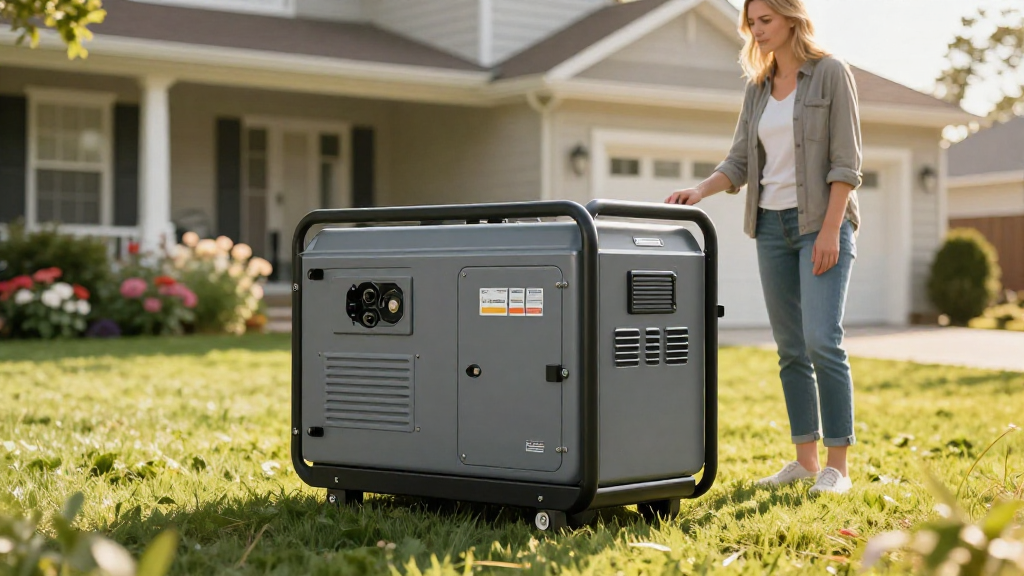
A standby generator provides essential backup power during outages, ensuring your home or business remains operational without disruption.
In this standby generator overview, we will explore what a standby generator is, how it works, and the benefits it offers, along with important considerations for potential users.
What Is a Standby Generator?
A standby generator is an automatic system designed to provide electricity during power outages. Unlike portable generators, which require manual setup and refueling, standby generators remain ready to activate immediately when an outage occurs.
Key Components of Standby Generators
- Generator Unit: The core component that converts fuel into electrical energy.
- Transfer Switch: A critical system that automatically disconnects the home from the utility grid during a power outage and directs electricity from the generator.
- Fuel Supply: Standby generators operate on various fuels, including natural gas, propane, or diesel.
- Control Panel: This panel allows users to monitor the generator’s performance and settings.
How Does a Standby Generator Work?
A standby generator runs on a simple yet effective mechanism:
-
Monitoring: The generator continuously monitors the incoming utility power.
-
Detection: Upon detecting a power outage, it automatically activates within seconds.
-
Power Transfer: The transfer switch disconnects the home from the grid and connects the generator to the home’s electrical system.
-
Operation: The generator then begins to produce electricity, ensuring that critical systems, such as heating, cooling, refrigeration, and lights, remain functional.
-
Return to Grid: Once the utility power is restored, the generator automatically shuts off and waits for the next outage.
What Are the Benefits of Installing a Standby Generator?
Investing in a standby generator offers several advantages that can enhance your quality of life and protect critical systems, including:
1. Reliability
Standby generators are dependable and can automatically restore power within seconds of an outage. This reliability is crucial for homes with medical equipment or businesses that cannot afford downtime.
2. Convenience
With an automatic start feature, there is no need to manually start the generator as you would with portable units.
3. Safety
A standby generator is installed outside your home, reducing risks associated with carbon monoxide poisoning and fuel spills that can occur with portable generators.
4. Fuel Efficiency
Standby generators are often more fuel-efficient than portable alternatives, especially when you have an automatic start-and-stop feature that conserves energy.
5. Enhanced Property Value
Having a standby generator can enhance the value of your home. Potential buyers often view it as a desirable feature that protects against power outages.
Are There Different Types of Standby Generators?
Yes, there are primarily two types of standby generators based on their fuel sources:
1. Natural Gas Generators
Natural gas generators use the existing gas supply from utility companies.
Pros:
– Continuous fuel supply without the need to refuel.
– Cleaner-burning compared to diesel.
Cons:
– In an extensive outage, if the gas lines are affected, this type may not function.
2. Diesel Generators
These generators are another popular option, especially for commercial applications.
Pros:
– High power output and reliability.
– Can run for longer periods when properly maintained.
Cons:
– Requires storage of fuel on-site, which can raise safety concerns.
– Typically more expensive to maintain and operate than natural gas generators.
What Should You Consider Before Buying a Standby Generator?
Before investing in a standby generator, consider several critical factors:
1. Power Needs
Assess how much power you’ll need during an outage.
Tip: List all your essential appliances and systems, calculate their wattage, and ensure the generator can support that load.
2. Installation Costs
Installation can be a significant investment.
Tip: Obtain multiple quotes from certified professionals to ensure you’re getting a fair price.
3. Local Regulations
Check your local building codes and homeowner association guidelines.
Tip: Some areas have restrictions regarding generator installations.
4. Maintenance Requirements
Like any mechanical system, a standby generator requires maintenance to ensure optimal performance.
Tip: Look for models that offer easy access for service and consider a maintenance plan.
What Is the Average Lifespan of a Standby Generator?
Generally, a standby generator can last anywhere from 10 to 30 years, depending on usage and maintenance. Regular maintenance, including oil changes and inspections, can enhance its longevity.
How Much Does a Standby Generator Cost?
The cost of a standby generator ranges widely based on power capacity, brand, and installation complexity.
Typical costs can start from $5,000 and go upwards to $15,000 or more for higher-capacity models.
Factors to consider:
– Generator size and type.
– Installation costs and local permits.
– Additional features, such as automatic transfer switches and remote monitoring systems.
Conclusion: Is a Standby Generator Worth It?
In today’s world, where power outages can disrupt daily life and business operations, a standby generator provides a reliable and efficient solution for ensuring continuous power.
With numerous benefits, including safety, reliability, and fuel efficiency, investing in a standby generator can be a wise decision.
Before making a purchase, thoroughly assess your power needs, budget, and local regulations to ensure you choose the best unit for your situation.
In summary, this standby generator overview has covered everything you need to know, from their functionality and benefits, to costs and considerations. A standby generator can greatly improve your preparedness for unexpected outages, providing peace of mind for you and your loved ones.