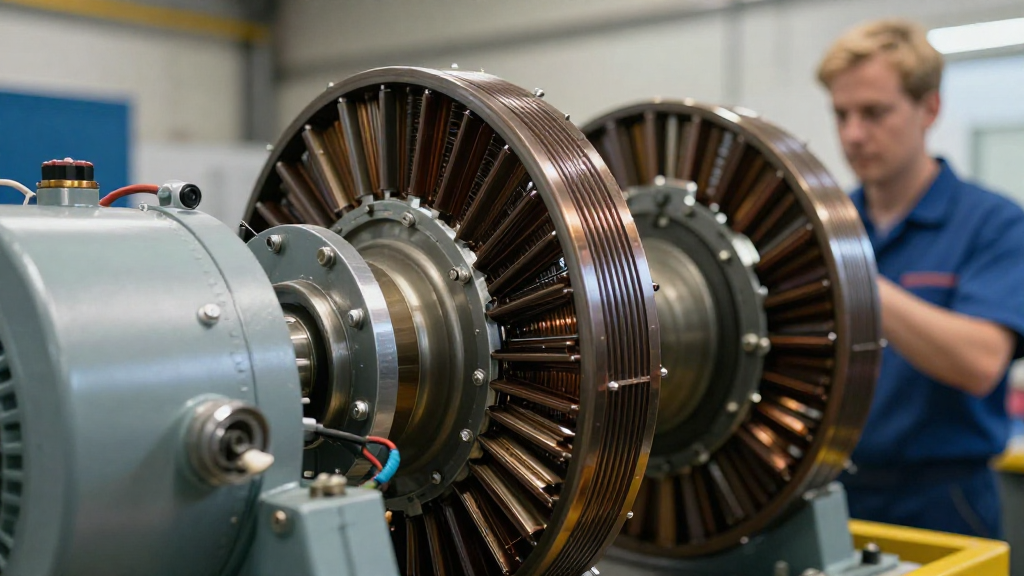
The generator rotor and stator function is a critical aspect of electrical engineering and energy conversion systems.
Understanding these components helps us grasp how electrical energy is generated in various applications, from power plants to small wind turbines. In this article, we will explore the fundamental roles of the rotor and stator, how they work together, and their importance in the overall functioning of a generator.
What Are the Components of a Generator?
Before diving into the generator rotor and stator function, it’s essential to understand what parts make up a generator.
A typical generator consists of two main components:
- Rotor: This is the rotating part of the generator.
- Stator: The stator is the stationary part surrounding the rotor.
In most generators, these two elements work collaboratively to convert mechanical energy into electrical energy.
How Does the Generator Rotor Function?
The generator rotor plays a pivotal role in the energy conversion process.
Key Functions of the Rotor
-
Rotation: The rotor rotates, typically due to a mechanical force like a turbine powered by wind, steam, or water. This motion is crucial for generating electricity.
-
Magnetic Field Generation: As the rotor spins, it creates a magnetic field. In an alternator, this may involve electromagnetic windings that are energized to create a magnetic field.
-
Induction: The magnetic field generated by the rotor interacts with the windings in the stator, creating an electrical current through the principle of electromagnetic induction.
What Is the Role of the Stator?
The stator is just as critical as the rotor in the generator system.
Main Functions of the Stator
-
Stationary Windings: The stator contains coils of wire that are stationary. When the rotor spins, its magnetic field induces current in these windings.
-
Electrical Output: The stator is where the electrical energy is output. The induced current from the spinning rotor is collected in these stationary windings and conducted away for use.
-
Magnetic Field Interaction: The stator reacts to the changes in the magnetic field created by the rotor, ensuring a continuous supply of electrical energy.
How Do Rotor and Stator Work Together?
Understanding the generator rotor and stator function involves knowing how these components collaborate.
The Process of Energy Conversion
-
Mechanical Input: Mechanical energy is supplied to the rotor. This can come from various sources, such as wind, water, or steam.
-
Rotational Motion: The rotor begins to spin. This rotation is usually coupled with a prime mover, like a turbine.
-
Magnetic Induction: As the rotor spins, it generates a rotating magnetic field.
-
Electricity Generation: This magnetic field interacts with the coils in the stator, inducing an electric current through electromagnetic induction.
-
Electric Current Output: The generated current flows out of the stator via electrical connections, providing usable electricity for various applications.
Why Are the Rotor and Stator Important?
The generator rotor and stator function is vital for several reasons.
Significance in Energy Generation
- Efficiency: The rotor and stator combination directly influences the efficiency of energy production.
- An efficient rotor design can optimize energy conversion.
-
Advanced stator winding configurations can enhance performance.
-
Versatility: These components enable various types of generators, including:
- Alternators: Often used in vehicles, converting mechanical energy to AC electricity.
- Synchronous Generators: Used in power plants for large-scale energy production.
-
Induction Generators: Common in wind energy applications.
-
Reliability: A well-designed rotor and stator ensure consistent performance and reliability in electrical energy generation, essential for powering homes, industries, and infrastructure.
What Are the Maintenance Needs of Rotors and Stators?
Ensuring optimal performance of the generator rotor and stator function involves regular maintenance.
Key Maintenance Practices
-
Inspection: Regularly inspect rotor and stator for signs of wear, overheating, or damage.
-
Cleaning: Keep components clean from dust, debris, and other contaminants that can impair function.
-
Lubrication: Proper lubrication may be required for rotor components to minimize friction and wear.
-
Electrical Monitoring: Regularly monitor electrical output to ensure the generator is functioning efficiently.
Conclusion
The generator rotor and stator function is at the heart of electrical energy generation.
Understanding how these components work together provides insight into their critical roles in converting mechanical energy into usable electricity.
Regular maintenance and attention to the rotor and stator can improve the durability and efficiency of generators, ensuring they meet our energy needs.
By grasping the complexities of the rotor and stator’s functions, we can appreciate the marvels of modern electrical systems and their impacts on our daily lives.