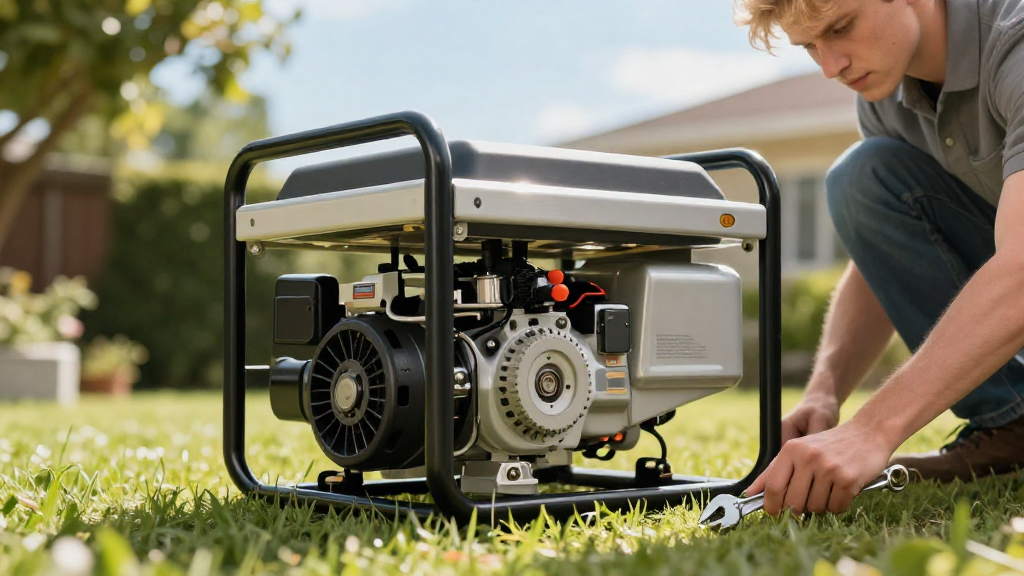
Maintaining a generator is essential for ensuring its longevity and optimal performance.
When the power goes out, your generator should be there to provide reliable electricity.
However, like any machine, it needs regular attention and maintenance.
This guide provides essential tips on how to maintain a generator effectively.
Why is Generator Maintenance Important?
Understanding why maintenance is necessary helps you appreciate the value.
- Performance: Regular maintenance improves efficiency.
- Longevity: A well-maintained generator lasts longer.
- Safety: Routine checks reduce the risk of accidents.
- Reliability: You can trust your generator to work when needed.
How Often Should You Perform Maintenance?
Knowing how often to maintain your generator is crucial.
- Weekly Checks: A quick inspection can catch small issues.
- Monthly Checks: Check the oil level, run it for a bit, and inspect fuel.
- Quarterly Maintenance: More in-depth checks every three months.
- Annual Maintenance: Schedule a professional service once a year.
What Are the Basic Steps for How to Maintain a Generator?
Following basic steps helps simplify the process of how to maintain a generator.
-
Inspect the Fuel System:
– Check for leaks.
– Ensure the fuel is fresh (less than one month old).
– Use fuel stabilizers for long-term storage. -
Check the Oil Level:
– Always check the oil before each use.
– Change the oil according to the manufacturer’s specifications (commonly every 50-100 hours). -
Examine the Battery:
– Inspect for corrosion on terminals.
– Ensure the battery is charged.
– Clean connections regularly. -
Clean or Replace the Air Filter:
– Inspect the air filter monthly.
– Replace or clean as needed, especially in dusty conditions. -
Inspect the Spark Plug:
– Check the spark plug for wear or carbon buildup.
– Replace it as recommended by the manufacturer. -
Test the Breakers and Output:
– Run the generator and ensure load is distributed evenly.
– Check voltage output with a multimeter. -
Check Cables and Connections:
– Inspect wiring for fraying or damage.
– Tighten loose connections to prevent electrical shorts. -
Clean the Generator:
– Keep the exterior free of dirt and debris.
– Use a soft brush or cloth for cleaning.
What Specific Tools Do You Need for Maintenance?
When performing maintenance, having the right tools is key.
Basic tools include:
- Wrenches
- Screwdrivers
- Oil filter wrench
- Multimeter
- Fuel and oil containers
- Cleaning supplies (brushes, cloths)
How Can You Store a Generator Properly?
Proper storage extends generator life, especially when not in use.
- Draining Fuel: Always drain old fuel before storage.
- Choosing a Dry Space: Store in a dry, sheltered location.
- Covering It: Use a protective cover to fend off dust and moisture.
- Regularly Start: Run it every month to ensure all parts remain lubricated.
What Are Common Generator Problems and Solutions?
Knowing common issues can help you troubleshoot when problems arise.
- Won’t Start:
- Check the fuel system and battery.
-
Inspect the spark plug.
-
Unstable Voltage:
- Ensure the load is correctly distributed.
-
Test for possible wiring issues.
-
Excessive Noise:
- Check for loose parts or loose coverings.
- Inspect for mechanical issues within the engine.
When Is It Best to Seek Professional Help?
While the steps above cover basic maintenance, some tasks require professional expertise.
- Engine Overhaul: If the engine is malfunctioning severely.
- Complex Electrical Issues: For advanced wiring problems.
- Comprehensive Safety Checks: If you want peace of mind before hurricane season or long-term storage.
Conclusion: How to Maintain a Generator?
Maintaining a generator does not need to be daunting.
By following the steps provided, you can ensure your generator remains reliable when you need it the most.
Regular checks and proper storage play a crucial role in how to maintain a generator effectively.
Schedule routine maintenance and don’t hesitate to seek professional help when needed.
Every return on your time invested in upkeep translates into peace of mind and reliability during the next outage.
With these tips, you’re now equipped with the knowledge of how to maintain a generator efficiently.