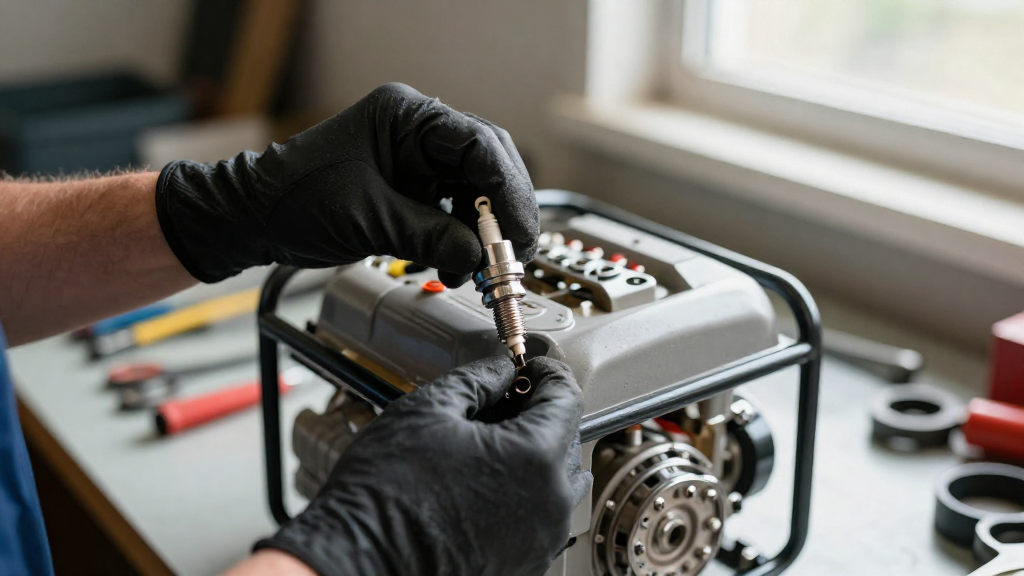
Are you wondering how to replace generator spark plug? A worn-out spark plug can lead to poor generator performance or even failure to start.
In this article, we’ll guide you step-by-step through the spark plug replacement process, ensuring that your generator runs smoothly and efficiently.
What Are the Signs of a Worn Out Spark Plug?
Before jumping into the replacement process, it’s essential to recognize the signs that indicate your spark plug needs to be replaced:
- Difficulty Starting: If your generator struggles to start or requires several attempts, it might be time to replace the spark plug.
- Rough Idling: An uneven or rough idling when the generator is running can be a sign of a worn spark plug.
- Poor Fuel Efficiency: If your generator consumes more fuel than usual, a faulty spark plug could be the culprit.
- Excessive Smoke: If you notice unusual smoke coming from the exhaust, it may indicate that the spark plug is failing.
If you observe any of these symptoms, it’s time to learn how to replace generator spark plug.
What Tools Will You Need?
Before replacing the spark plug, gather the necessary tools. This preparation will make the process smoother and more efficient:
- New Spark Plug: Ensure it is compatible with your generator model.
- Socket Wrench Set: Typically, a 5/8-inch socket will fit most spark plugs.
- Torque Wrench: For precise tightening.
- Spark Plug Gap Tool: This tool ensures the gap between the electrodes is correct.
- Toothbrush or Brush: For cleaning.
- Safety Gloves: Protect your hands during the process.
- Safety Glasses: Protect your eyes from debris.
How Do You Prepare for the Replacement?
Preparation is key when you undertake the task of learning how to replace generator spark plug. Follow these steps:
-
Turn Off the Generator:
Always ensure the generator is turned off and remove the key or switch to “off” mode. This prevents accidents during the replacement process. -
Allow Engine to Cool:
Ensure that the generator has cooled down completely. Working with a hot engine can lead to burns or other injuries. -
Disconnect the Battery:
Disconnecting the battery helps avoid electrical shocks or unintended starts while you work. -
Check the Manual:
Review your generator’s user manual to locate the spark plug’s position and get specifications for the replacement.
How to Remove the Old Spark Plug?
Now that you’re prepared, here’s a step-by-step guide on how to replace generator spark plug:
-
Locate the Spark Plug:
Find the spark plug, usually attached to the engine with a wire or cap. -
Remove the Wire:
Gently pull the spark plug wire or boot straight off the plug. Be cautious not to damage any connections. -
Clean the Area:
Use a brush to clean any dirt or debris around the spark plug. This prevents contamination from entering the cylinder when you remove the spark plug. -
Loosen the Spark Plug:
Use a socket wrench to turn counterclockwise and loosen the spark plug. If it’s too tight, apply some penetrating oil and wait a few minutes before attempting again. -
Remove the Spark Plug:
Once loosened, carefully unscrew it by hand and remove it completely.
How to Install the New Spark Plug?
After successfully removing the old plug, follow these steps to install the new one:
-
Check the Spark Plug Gap:
Before installation, use a spark plug gap tool to measure the gap. Adjust it according to your generator’s specifications. -
Insert the New Spark Plug:
Place the new spark plug into the hole and hand-tighten it to avoid cross-threading. -
Tighten with Socket Wrench:
Use the socket wrench to turn the spark plug clockwise. You should tighten it firmly, but be careful not to overtighten, as this could damage the threading. -
Reattach the Wire:
Place the spark plug wire back onto the spark plug until it clicks into place.
How to Test the Generator After Replacement?
After you’ve learned how to replace generator spark plug, it’s important to perform a test to ensure everything is working correctly:
-
Reconnect the Battery:
Before starting the generator, reconnect the battery. -
Start the Generator:
Turn on the generator and observe its performance. Listen carefully for any unusual sounds or signs of rough operation. -
Check for Smoke:
Monitor the exhaust for any excessive smoke. A clear exhaust indicates a successful spark plug replacement. -
Allow it to Run:
Let the generator run for a few minutes to ensure stability and that it’s operating smoothly.
Maintenance Tips for Generators
To prolong the life of your spark plug and generator, consider the following maintenance tips:
- Regular Inspections: Check the spark plug every few months or after every 100 hours of use.
- Keep It Clean: Regularly clean the area around the spark plug to prevent dirt buildup.
- Use Quality Fuel: High-quality fuel helps maintain engine performance and minimizes deposits on the spark plug.
- Follow Manufacturer Guidelines: Always adhere to your owner’s manual for the best practices regarding maintenance and replacements.
- Schedule Regular Service: Consider having a professional service your generator periodically.
Conclusion
In conclusion, understanding how to replace generator spark plug is crucial for maintaining efficient generator performance.
Recognizing the signs of a worn spark plug and learning the replacement process can save you from frustration and costly repairs in the future.
By following the steps outlined in this article, you’ll confidently replace the spark plug and help your generator run optimally.
Make it a part of your generator maintenance routine, and keep your power source reliable and ready for use.