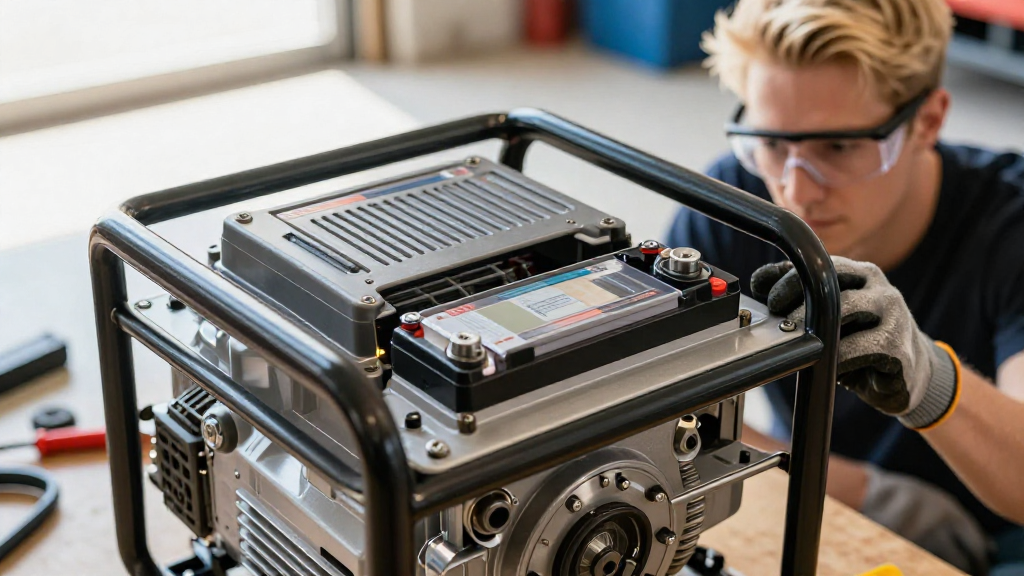
When it comes to ensuring your generator operates efficiently, knowing how to replace the battery is crucial. This generator battery replacement guide will help you navigate the steps involved in finding and replacing your generator’s battery effectively.
Why Is a Battery Replacement Needed?
Generators rely on batteries to start and maintain functionality during power outages.
Over time, batteries can:
- Deteriorate due to age.
- Corrode from exposure to acidic or alkaline elements.
- Drain if left unused for long periods.
Therefore, it’s essential to monitor the condition of your generator’s battery and replace it as needed.
How Do You Know When It’s Time to Replace Your Battery?
Understanding when to replace your generator battery can save you from unexpected failures during critical times. Here are some key indicators to watch for:
- Battery Warning Light: Many generators come with a warning light that illuminates when the battery is weak or needs attention.
- Slow Start: If your generator takes longer than usual to start, it could indicate a faltering battery.
- Corrosion or Leakage: Inspect the battery for visible signs of corrosion or any acid leaks, which can significantly impact performance.
- Age of the Battery: Most batteries last between 3 to 5 years. If it’s been longer, consider replacing it even if there are no immediate symptoms.
What Types of Batteries Are Compatible with Generators?
Not all batteries are created equal, and choosing the right type is vital.
Here are common types of batteries used in generators:
- Lead-acid Batteries: These are the most widely used and are known for their affordability and reliability.
- Absorbent Glass Mat (AGM) Batteries: AGM batteries require no maintenance and have a longer lifespan, making them an excellent choice for generators.
- Lithium-ion Batteries: Though more expensive, lithium-ion batteries are lightweight, long-lasting, and have faster charging times.
Consult your generator’s manual to determine which type of battery is compatible for replacement.
What Tools Do You Need for Battery Replacement?
Before you start with the replacement, ensure you have the following tools handy:
- Safety goggles and gloves
- Wrenches (sized appropriately for your battery terminals)
- Socket set
- Screwdrivers (flathead or Phillips as needed)
- Battery cleaner (optional but advisable)
- Multimeter (to check battery voltage before removal)
Being well-prepared will make the generator battery replacement process smoother and safer.
How Do You Replace the Generator Battery Step-by-Step?
Replacing a generator battery may seem intimidating, but following this generator battery replacement guide can simplify the process.
Step 1: Safety First
Ensure the generator is turned off and disconnected from any power source.
Wear your safety goggles and gloves for protection against battery acid or electrical shocks.
Step 2: Access the Battery Compartment
Depending on your generator’s make and model, you may need to remove screws or panels to access the battery.
Carefully unscrew and set aside any coverings to reveal the battery.
Step 3: Disconnect the Old Battery
Identify the positive and negative terminals of the old battery.
Important:
- Always disconnect the negative terminal first to minimize the risk of a short circuit.
- Use the appropriate wrench to loosen the terminal connections.
Once both terminals are disconnected, remove the old battery and set it aside for disposal.
Step 4: Clean the Battery Compartment
Before installing the new battery, clean the battery compartment using a battery cleaner or a mixture of baking soda and water to neutralize any corrosion.
Wipe down all surfaces, ensuring the area is dry and free of debris.
Step 5: Install the New Battery
Carefully position the new battery in the compartment, ensuring to align the terminals correctly: positive to positive and negative to negative.
Connect the positive terminal first, followed by the negative terminal using your wrench to secure them tightly.
Step 6: Close Everything Up
Once the new battery is secured, replace any covers or screws that were removed in Step 2.
Make sure that everything is put back in place securely.
Step 7: Test the Generator
Finally, turn the generator on to ensure everything is functioning well.
Listen for any unusual sounds and check that the generator starts without issues.
What Will Happen If You Don’t Replace It?
Neglecting to replace your generator battery when needed can lead to several problems:
- Reduced Efficiency: A weak battery may result in your generator being less efficient or failing to start.
- Unexpected Outages: During critical times, a faulty battery can leave you without power when you need it most.
- Potential Damage: An old battery may leak acid, causing damage to the generator’s components.
Where Can You Get a Replacement Battery?
Replacement batteries can often be found through the following sources:
- Local Hardware Stores: Many retailers stock batteries compatible with popular generator models.
- Online Retailers: Websites such as Amazon, Home Depot, or specialized generator suppliers offer a range of batteries for various models.
- Manufacturer’s Website: Purchasing directly from the manufacturer guarantees compatibility.
How Can You Ensure the Longevity of Your Generator Battery?
To extend the life of your new battery:
- Regular Maintenance: Check your battery’s charge and terminals regularly for corrosion or damage.
- Proper Storage: If your generator will be unused for a long time, store it in a cool, dry place and disconnect the battery.
- Periodic Testing: Use a multimeter to check the battery voltage periodically. This will help identify issues before they become significant problems.
Conclusion
Following this generator battery replacement guide will empower you to maintain your generator effectively.
Knowing the signs that indicate a battery replacement is needed and how to complete the replacement process will keep your generator in good working order, ensuring you never find yourself in a power outage without backup.
Remember, a well-maintained generator is essential for peace of mind during challenging times. Therefore, keep this guide handy for your future needs!