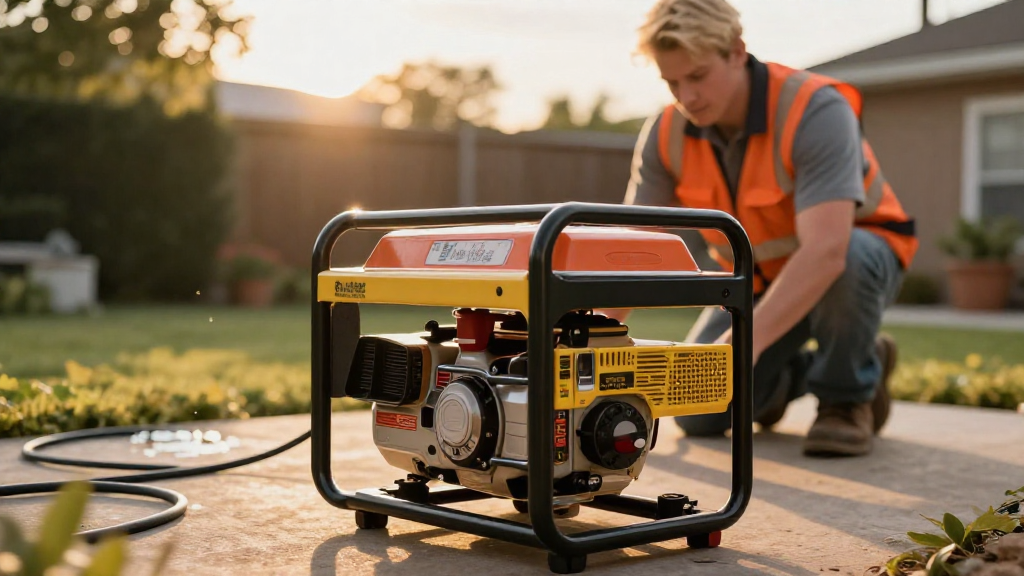
Generators are essential tools for many households and businesses when it comes to providing backup power during outages or supporting heavy-duty operations.
However, improper usage can lead to inefficiency, hazards, and costly repairs.
In this article, we will explore the common generator usage mistakes people often make and how to avoid them.
Why Do Generators Fail?
Generators provide a lifeline when the power goes out or during heavy electrical demands.
However, using them incorrectly can lead to failure or reduced lifespan.
Here are some of the most frequent errors made by generator users:
-
Neglecting Maintenance
– Regular maintenance is crucial for your generator’s longevity.
– Failing to change the oil, filters, and spark plugs can lead to performance issues. -
Improper Storage
– Storing a generator without proper care can lead to rust and deterioration.
– Always keep it in a dry, clean, and sheltered area. -
Ignoring Fuel Quality
– Old or contaminated fuel can cause your generator to run poorly or not start at all.
– Make sure to use fresh fuel and store it properly. -
Overloading the Generator
– Exceeding the power rating can cause damage to both the generator and connected devices.
– Always check the wattage requirements of your appliances before connecting.
How Can You Prevent Common Generator Usage Mistakes?
Preventing common generator usage mistakes is integral to ensuring the efficiency and safety of your electric generator. Here are some essential tips to help you avoid those pitfalls:
What Maintenance Should You Perform Regularly?
-
Oil Changes
– Check the oil level before each use and change it every 50 hours of run time. -
Filters & Air Intake
– Clean or replace the air filter to ensure proper airflow.
– A clogged filter reduces efficiency. -
Battery Care
– Regularly check the battery’s charge and clean the terminals. -
Spark Plug Replacement
– Replace spark plugs as recommended in the user manual.
Why Is Generating Power Indoors Dangerous?
One significant error people make is using generators indoors or in poorly ventilated areas.
This practice leads to carbon monoxide (CO) poisoning, a serious risk that can cause illness or death.
Always use your generator outdoors, away from windows, doors, and vents.
Are You Fueling Your Generator Correctly?
Another common generator usage mistake involves refueling during or immediately after operation.
Fuel spills can lead to fire hazards and other dangerous situations.
-
Always Turn Off the Generator
– Let it cool down before adding fuel to prevent combustion. -
Use the Right Fuel Type
– Check the fuel type recommended by the manufacturer, whether gasoline, diesel, or propane.
How Important Is Load Management?
Understanding load management is vital for effective generator use.
Here’s how to keep it in check:
-
Use a Power Meter
– This tool can help you determine how much wattage you are using. -
Prioritize Essential Appliances
– Identify which appliances are essential in a power outage and connect them first. -
Distribute Load Across Circuits
– This method helps to avoid overloading any single circuit.
What Are the Risks of Ignoring Wiring Protocols?
Another frequent error is improper installation and wiring of the generator.
-
Incorrect Transfer Switch Installation
– Always use a transfer switch to safely link your generator to your home circuit. -
Using Extension Cords Improperly
– Use heavy-duty, outdoor-rated extension cords to safely connect to your generator. -
Neglecting Grounding
– Proper grounding is critical to prevent electrical shocks and ensure safety.
How Can You Enhance Generator Efficiency?
Improving efficiency not only saves money but also minimizes wear and tear on your generator.
Here are ways to maximize output:
-
Regular Fuel Upkeep
– Run your generator regularly to keep fuel lines clear and prevent gum formation. -
Limit Usage Duration
– Avoid running the generator longer than necessary. This helps in prolonging its life. -
Keep It Clean
– Dust and dirt can restrict airflow and lead to overheating.
What Should You Do in Case of an Emergency?
Understanding emergency protocols can save lives.
Here are key points to follow during generator-related emergencies:
-
Know the Symptoms of Carbon Monoxide Poisoning
– Symptoms include headache, dizziness, and confusion. If you experience these, get to fresh air immediately. -
Disconnect Electrical Loads
– If you find the generator is not working correctly, ensure all loads are disconnected before troubleshooting. -
Seek Professional Help
– If problems persist, consult a qualified technician for repairs and maintenance.
What Are the Final Takeaways on Common Generator Usage Mistakes?
Using a generator can be a lifesaver, but it comes with its challenges.
To avoid the common generator usage mistakes, keep the following in mind:
-
Implement Routine Maintenance
– Regularly service your generator to maintain its operational efficiency and lifespan. -
Prioritize Safety
– Always operate your generator outdoors to avoid hazardous conditions, and never use it inside. -
Educate Yourself
– Familiarize yourself with your generator’s manual and guidelines to maximize its efficiency.
By being aware of these common generator usage mistakes, you can ensure you use your generator safely and efficiently.
Understanding how to handle your generator properly helps maintain its longevity and enhances performance.
Stay informed, stay safe, and make the most out of your power source!