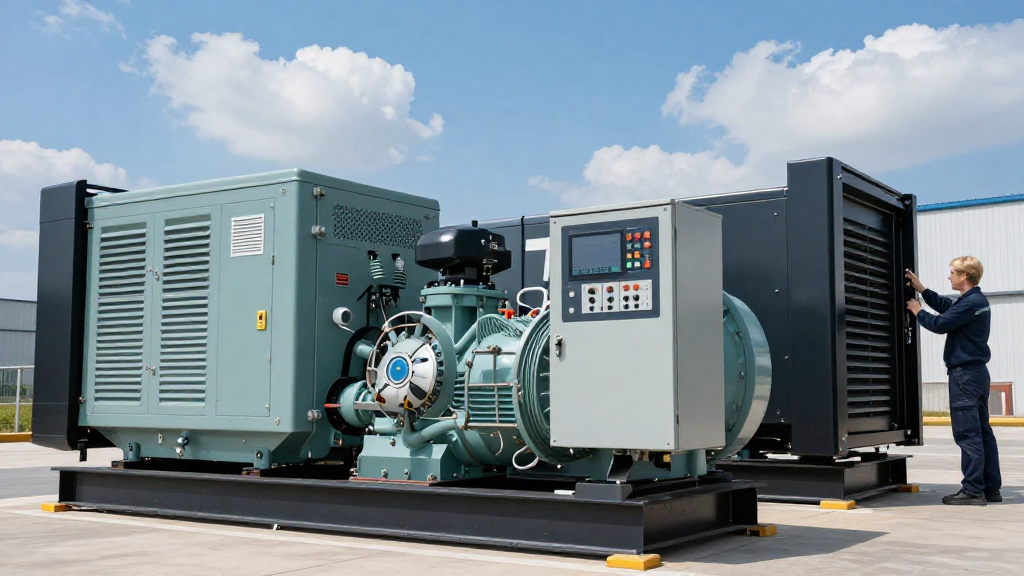
Are you looking to expand your power supply options and maximize efficiency? Understanding how to parallel generators is crucial for reliable and uninterrupted energy delivery. In this article, we will explore the fundamentals of paralleling generators, the necessary equipment, step-by-step instructions, and potential challenges.
What Does It Mean to Parallel Generators?
Paralleling generators refers to the process of connecting two or more generator sets to work together as a single power source.
This approach allows for:
- Increased power output: By combining the capabilities of multiple generators, you can easily meet larger power demands.
- Redundancy: In case one generator fails, the others can continue to operate.
- Load sharing: Each generator can share the load proportionally, which means that no single machine is overloaded.
Understanding these benefits is key to grasping how to parallel generators effectively.
What Equipment Do You Need?
To begin your journey on how to parallel generators, it’s essential to equip yourself with the right tools and components:
- Generator sets: Ensure that the generators are capable of paralleling. Consult the manufacturer’s specifications.
- Paralleling control panel: This unit manages the synchronization of generators and balances the load between them.
- Switchgear: Used for safely switching the generators online and offline.
- Wiring and connectors: High-quality cabling is necessary to handle the increased electrical load safely.
- Synchronizing equipment: These tools help match the speed and voltage of the generators before connecting them.
Additionally, it’s vital to have access to a qualified electrician to ensure safety and compliance with local codes.
How Do You Connect Generators in Parallel?
Now that you have the necessary equipment, let’s dive into the step-by-step process of how to parallel generators:
- Preparation
- Ensure that both generators are identical in specifications, including voltage, frequency, and phase rotation.
- Inspect electrical connections and ensure they are clean and free of corrosion.
- Synchronization
- Use a synchronizing panel to adjust the output voltage and frequency of both generators.
- Monitor the phase sequence to confirm they are in sync before making any connections.
- Connection
- Once synchronization is achieved, use an appropriate switchgear to connect the two generators.
- Ensure that the load sharing controllers are properly configured to facilitate equal load distribution.
- Testing
- Gradually bring the generators online by increasing the load incrementally.
- Monitor performance through the control panel to ensure balanced operation.
- Regular Maintenance
- Check and maintain generators regularly to ensure they function optimally and reduce the chance of failure during operation.
What Are the Benefits of Paralleling Generators?
Understanding how to parallel generators also includes knowing the benefits associated with this practice:
- Improved efficiency: Operate generators at their optimal load, leading to better fuel consumption and lower emissions.
- Cost savings: Avoid investing in a single, larger generator by using smaller ones that are already available.
- Flexibility: Easily adjust power generation needs based on demand by engaging or disengaging generators as necessary.
With these advantages, it becomes clear why so many industries utilize parallel generator systems.
What Challenges Might You Face?
Paralleling generators is not without its challenges. Here are some common issues you might encounter when learning how to parallel generators:
- Imbalance: If generators are not properly synchronized, this can lead to voltage fluctuations and possible equipment damage.
- Load sharing discrepancies: If generators are not configured correctly, one unit may take on more load than it should, leading to premature wear.
- Communication failures: Faulty sensors or control systems can lead to improper synchronizing and could damage both generators.
To minimize these risks, always conduct thorough testing and routine maintenance.
What Are Best Practices for Parallel Generators?
To ensure smooth operation while you learn how to parallel generators, follow these best practices:
- Training: Make sure that all operators understand the parallel connection process and the specific intricacies of your system.
- Documentation: Keep records of all maintenance, load tests, and operational changes to review and improve your setup consistently.
- Redundancy: Consider having backup systems in place for critical loads, ensuring power availability even during outages.
By adhering to these practices, you can enhance both safety and efficiency in your generation systems.
When Should You Consider Paralleling Generators?
Understanding when to parallel generators can lead to better decision-making concerning your power supply. You might want to consider paralleling when:
- Load demands are variable: If your energy needs fluctuate, using multiple generators can help adapt to changing requirements efficiently.
- Backup power is essential: Industries with critical loads will benefit from having additional generators as a safeguard against outages.
- Cost efficiency: When purchasing a larger generator is financially unfeasible, paralleling smaller units can offer a more affordable solution.
By recognizing these situations, you can leverage the advantages of parallel generation systems effectively.
Conclusion
Learning how to parallel generators can dramatically enhance your energy management strategy, offering increased output, redundancy, and flexibility.
Consider the necessary equipment, follow the outlined steps, and be aware of potential challenges to optimize your setup.
With a solid understanding and careful planning, you can benefit greatly from paralleling generators.
If you want to delve deeper into this subject or need assistance with setup, don’t hesitate to seek professional help.
Investing in this knowledge will pay dividends in reliability and efficiency for years to come.