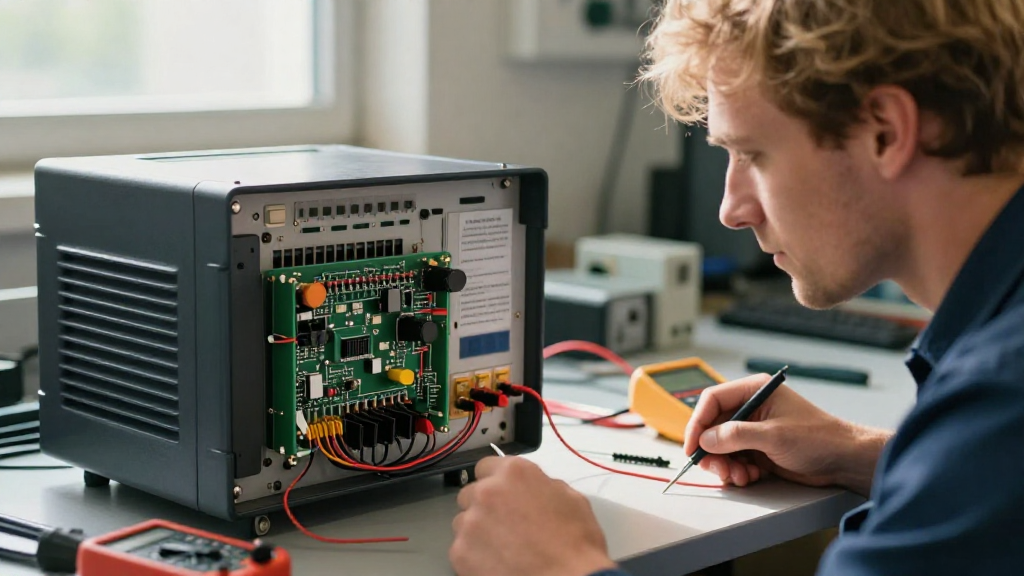
Generator AVR troubleshooting can often seem daunting, yet it’s an essential skill for anyone who relies on these machines for reliable power.
This article aims to provide a comprehensive guide to help you navigate through the common issues related to an Automatic Voltage Regulator (AVR) in generators. By following these troubleshooting steps, you will be able to ensure optimal performance from your generator.
What is a Generator AVR?
The Automatic Voltage Regulator (AVR) in a generator is an electronic device responsible for maintaining a consistent voltage output.
In simpler terms, it ensures that your generator provides the correct amount of electricity needed for your appliances.
Key Functions of a Generator AVR:
- Voltage Regulation: Maintains stable voltage output even under varying load conditions.
- Response to Load Changes: Quickly adjusts voltage levels to match sudden changes in load.
- Protection: Safeguards the generator from over-voltage conditions, which can cause damage.
What Are Common Signs of AVR Issues?
When it comes to generator AVR troubleshooting, knowing the early warning signs can save you time and resources. Here are some common symptoms that indicate a possible AVR issue:
-
Fluctuating Voltage Output: If you notice that the voltage output is inconsistent, this is a clear indicator of AVR trouble.
-
Overloading: Frequent overload trips occur when the generator can’t handle the required load, which can point to AVR dysfunction.
-
Generator Failure to Start: An inability to start or maintain power could indicate a problem with the AVR.
-
Burning Smell or Physical Damage: Any signs of damage, such as burnt wires or a burning smell, should be addressed immediately.
How to Diagnose AVR Problems?
To effectively conduct generator AVR troubleshooting, follow these systematic steps:
1. Check the Connections
- Inspect Wiring: Look for any loose or damaged connections.
- Tighten Joints: Ensure all electrical connections are securely tightened.
2. Measure the Output Voltage
-
Use a Multimeter: Set it to measure AC voltage and check the output at the generator terminals.
-
Compare Results: Cross-reference the measured output with the generator’s specifications. A significant deviation may indicate an AVR issue.
3. Examine the AVR Unit
-
Inspect for Damage: Look for burnt components or signs of overheating.
-
Check for Loose Parts: Ensure that all screws and connections to the AVR are secure.
4. Test the Load
-
Unplug All Appliances: Disconnect all loads from the generator and start it up.
-
Check Voltage Without Load: This will help you determine if the problem persists when there is no load.
-
Gradually Add Load: If the generator runs well without load, gradually reintroduce appliances to identify if a specific one triggers the issue.
Which Tools are Essential for AVR Troubleshooting?
When delving into generator AVR troubleshooting, having the right tools can make a significant difference in diagnosing problems effectively. Here are some essential tools you should consider:
-
Multimeter: For measuring voltage, current, and resistance.
-
Screwdrivers: Flat-head and Phillips for opening components.
-
Wire Cutters: To trim any damaged wiring as needed.
-
Safety Gear: Always wear gloves and safety glasses.
What to Do If You Identify a Faulty AVR?
If through your generator AVR troubleshooting efforts, you discover that the AVR is faulty, here are your options:
1. Replacement of the AVR
-
Purchase a Compatible AVR: Ensure it meets your generator’s specifications to avoid further complications.
-
Follow Installation Instructions: Refer to the user manual or seek professional assistance if needed.
2. Repair the AVR
-
Contact a Professional: If you’re unsure about repairing, it’s best to consult a certified technician.
-
Consider Warranty: Check if your generator’s warranty covers AVR repairs or replacement.
3. Preventative Maintenance
-
Regular Inspection: Periodically check the AVR system and conduct maintenance as recommended by the manufacturer.
-
Keep it Clean: Ensure that the generator and its components are free from dirt and debris.
How Can You Prevent Future AVR Issues?
Maintaining your generator can significantly reduce the likelihood of encountering AVR problems. Here are some key strategies:
-
Routine Maintenance: Schedule regular check-ups for your generator.
-
Correct Load Management: Do not overload your generator. Be aware of its wattage limits and adhere to them.
-
Installation of Surge Protectors: These devices can protect your AVR from voltage spikes.
Final Thoughts on Generator AVR Troubleshooting
Successful generator AVR troubleshooting requires a mix of vigilance, correct tools, and an understanding of basic electrical systems.
By regularly monitoring the performance of your generator and taking proactive measures, you can ensure that it operates smoothly and consistently.
From understanding the AVR’s role to recognizing common issues and signs of dysfunction, being well-informed is your best tool for generator maintenance.
By following these guidelines, you’ll contribute to a longer lifespan for your generator and ensure that it’s always ready when you need it. Don’t wait for problems to manifest; stay proactive with your generator AVR troubleshooting efforts!