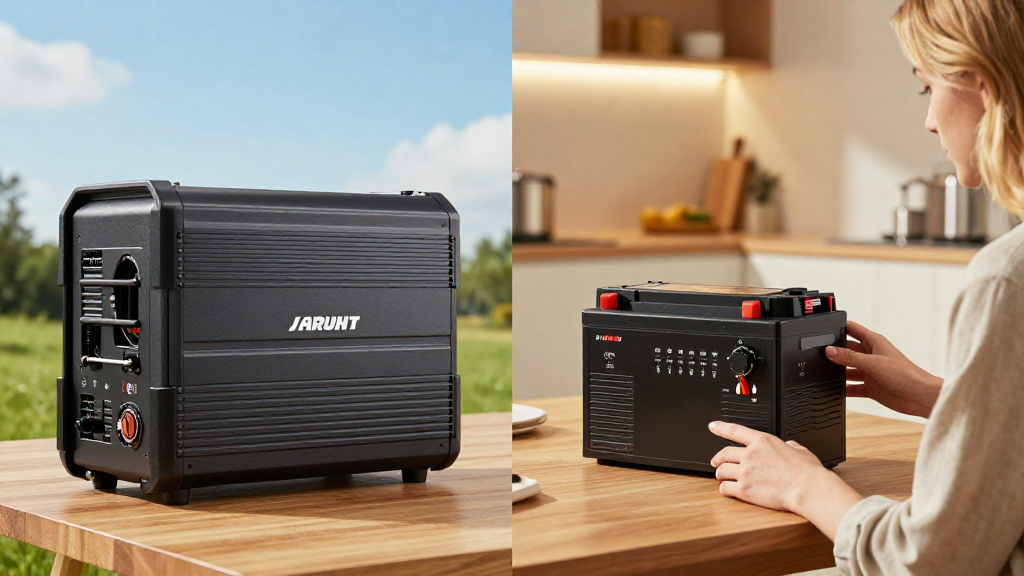
When it comes to portable power solutions, understanding the generator inverter vs battery inverter differences is crucial for making an informed decision.
What is a Generator Inverter?
A generator inverter is a type of portable power generator that converts mechanical energy into electrical energy using an engine and an inverter system.
Key features of generator inverters include:
- Fuel Source: Most generator inverters run on gasoline, propane, or diesel.
- Power Quality: They provide high-quality power, making them suitable for sensitive electronics.
- Portability: Typically lighter and more compact than traditional generators, making them easier to transport.
- Noise Levels: Generator inverters are designed to be quieter than conventional generators, allowing for use in residential areas without disturbing neighbors.
Applications of generator inverters:
– Camping trips
– Construction sites
– Emergency power during outages
– Outdoor events
What is a Battery Inverter?
A battery inverter is a device that converts direct current (DC) stored in batteries into alternating current (AC), providing electricity for various applications.
Key features of battery inverters include:
- Power Source: Runs on battery power, typically from deep cycle or lithium-ion batteries.
- Efficiency: Generally provides energy storage solutions for solar power systems or off-grid settings.
- Installation: Can be installed in homes or businesses alongside battery banks for backup power.
- Quiet Operation: As they don’t rely on moving parts like engines, battery inverters operate silently.
Applications of battery inverters:
– Solar energy systems
– Off-grid living
– Electric vehicles
– Backup energy solutions
What Are the Generator Inverter vs Battery Inverter Differences?
Understanding the generator inverter vs battery inverter differences can help determine which solution is best suited for your needs. Let’s delve into the key aspects and factors to consider.
How Do Fuel Sources Differ?
- Generator Inverter: Operates on fuel such as gasoline or propane, making it subject to fluctuations in fuel availability and prices.
- Battery Inverter: Utilizes energy stored in batteries, which can be charged using renewable sources like solar panels.
What About Power Output and Capacity?
- Generator Inverter: Often provides more power output, making it great for heavy-duty applications. They can produce varying wattage based on the engine size.
- Battery Inverter: Limited by battery capacity and discharge rate. Ideal for lower wattage applications but can be expanded by adding more batteries.
How Do They Handle Load Management?
- Generator Inverter: Offers automatic load adjustment capabilities, allowing it to handle varying power demands efficiently.
- Battery Inverter: Generally needs manual adjustments to match energy usage based on the battery’s state of charge.
What Is the Duration of Usability?
- Generator Inverter: Can run for several hours as long as it has fuel but requires refueling, which can interrupt usage.
- Battery Inverter: Usability duration is determined by battery capacity and energy consumption; without recharging, they may run out of power quickly.
What Are the Environmental Considerations?
- Generator Inverter: While more efficient than traditional generators, they still emit fumes and contribute to noise pollution.
- Battery Inverter: Often viewed as a more environmental-friendly option, especially when sourced from renewable energy solutions.
What Are the Costs Associated?
- Generator Inverter: Initial costs are generally lower, but operational costs can increase due to fuel needs and maintenance.
- Battery Inverter: Higher initial investment for the inverter and batteries but leads to savings over time, especially with renewable energy use.
What Are the Maintenance Requirements?
- Generator Inverter: Needs regular maintenance, including oil changes and fuel care, to keep it operational.
- Battery Inverter: Maintenance focuses mainly on battery health, which can include monitoring charge cycles and overall performance.
Which Option is Right for You?
Deciding between a generator inverter or a battery inverter depends on your specific needs:
-
For Short-Term Use:
If you need power for occasional camping trips or events, a generator inverter may be your best bet due to its convenience and higher output. -
For Long-Term Solutions:
If sustainability and low operating costs are your priorities, then a battery inverter system, especially when paired with solar panels, would likely be the better option. -
For Off-Grid Living:
A battery inverter allows you to store renewable energy and use it efficiently without reliance on fossil fuels. -
For Emergency Preparedness:
Both solutions can work effectively, but keep in mind potential fuel shortages during emergencies when choosing a generator inverter.
Conclusion: Understanding the Generator Inverter vs Battery Inverter Differences Matters
By understanding the generator inverter vs battery inverter differences, you can make a more informed decision to meet your power needs.
Consider factors such as fuel sources, power output, environmental impact, and maintenance requirements before making a purchase.
Ultimately, both types of inverters come with their unique advantages and drawbacks.
Your choice should align with your energy usage, application, and commitment to sustainability.
By evaluating your preferences, you can select the ideal solution to keep your power-dependent activities running smoothly.