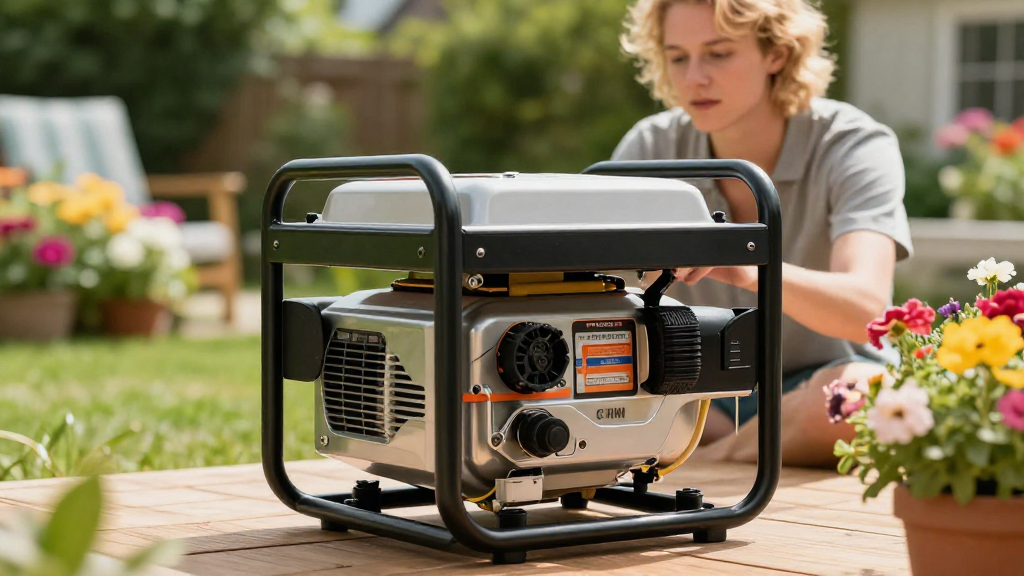
When summer arrives, ensuring your generator is in top shape becomes essential. This guide will explore essential summer generator maintenance tips to keep your power supply running smoothly during the hottest months.
Why Is Generator Maintenance Important?
Maintaining your generator is crucial for several reasons:
-
Reliability: A well-maintained generator is more likely to start and run efficiently when you need it.
-
Lifespan Extension: Routine maintenance can dramatically extend the life of your generator.
-
Safety: Proper maintenance reduces the risk of accidents and breakdowns.
As summer storms and heat waves can strike unexpectedly, adhering to the following summer generator maintenance tips ensures that you are prepared.
What Are the Key Summer Generator Maintenance Tips?
Here’s a comprehensive list of the summer generator maintenance tips to keep your generator in optimal condition.
1. Inspect Fluid Levels Regularly
Before the heat of summer hits:
-
Check the oil: Ensure the oil levels are adequate and that the oil is clean. Dirty oil can increase wear and tear.
-
Coolant levels: Verify that the coolant is filled to the proper level. Low coolant can lead to overheating.
-
Fuel quality: Make sure you have fresh fuel, as gasoline can degrade and cause starting problems.
2. Keep It Clean
Cleaning your generator is a straightforward yet essential step in maintenance. Here’s how to do it:
-
Remove dirt and debris: Clear any vegetation, dirt, or dust from around the generator.
-
Wash surfaces: Use a damp cloth to wipe down the exterior.
-
Ventilation: Ensure air vents and exhaust ports are not blocked by debris.
3. Test the Generator
Testing your generator is a vital part of maintenance that can help identify potential issues before they arise.
-
Run the generator: Start your generator and let it run for at least 30 minutes to ensure it operates properly.
-
Check for unusual noises: Be alert to any odd sounds like knocking or sputtering, as they may indicate mechanical issues.
4. Replace Filters
Clogged filters can significantly affect generator performance. Consider these steps:
-
Air filters: Inspect and replace air filters if dirty.
-
Fuel filters: Make sure the fuel filter is clean to prevent clogs that can stop fuel flow.
5. Inspect the Battery
The battery is a critical part of the generator’s functionality. Here’s how to ensure it’s working well:
-
Check charge status: Use a multimeter to test the battery’s voltage.
-
Clean terminals: Remove any corrosion from battery terminals and ensure connections are tight.
-
Test battery age: If your battery is older than three years, consider replacing it.
6. Verify Electrical Connections
Loose or frayed electrical connections can cause significant problems.
-
Tighten connections: Check all electrical connections for firmness and security.
-
Examine for wear: Look for signs of wear and tear on the wires and connections.
7. Schedule Professional Service
While DIY maintenance is helpful, professional servicing is essential.
- Annual inspections: Schedule regular check-ups with a certified technician to address any issues.
What Should Be Done During Summer Storms?
Summer storms can lead to power outages, making your generator indispensable. Here are some summer generator maintenance tips specifically for storm readiness:
1. Ensure Emergency Setup
-
Location: Position your generator in a well-ventilated area away from windows and doors to prevent exhaust fumes from entering your home.
-
Power connections: Have a transfer switch installed to safely connect your generator to your home’s electrical system.
2. Stock Up on Essentials
-
Fuel supply: Keep enough fuel for your generator should the power go out – at least enough for two to four days of continuous operation.
-
Maintenance kit: Have a maintenance kit that includes oil, filters, and basic tools necessary for minor repairs.
3. Prepare for Quick Activation
-
Test run: Practice starting your generator before storm season hits to avoid confusion during emergencies.
-
Instruction manual: Keep the generator’s manual accessible, detailing how to operate and troubleshoot effectively.
How Often Should Generator Maintenance Be Done?
Regular maintenance is critical throughout the year; however, summer maintenance should follow this basic schedule:
-
Monthly checks: Perform basic checks of fluid, filter, and battery once a month.
-
Quarterly inspections: Inspect for wear and tear and run tests every three months.
-
Annual service: Hire a professional service at least once a year for comprehensive maintenance.
What Tools Do You Need for Generator Maintenance?
Ensuring you have the right tools can significantly ease the maintenance process. Here’s a quick list of essential tools for your generator upkeep:
-
Wrenches and sockets: For tightening bolts.
-
Screwdrivers: For any adjustments needed on the casing.
-
Oil filter wrench: To easily swap out old oil filters.
-
Multimeter: For testing battery voltage.
-
Cleaning supplies: Brush, rags, and cleaning agents for general upkeep.
Conclusion
Adhering to these summer generator maintenance tips will help ensure your generator operates efficiently when you need it most.
Regular inspections, cleaning, and immediate attention to any signs of wear can lengthen the life of your generator and enhance its reliability.
By following this guide, you can enjoy a worry-free summer, knowing that your generator is prepared for any situation.
Investing time and resources into proper maintenance today will pay off in reliability tomorrow. Prepare your generator to run smoothly this summer and safeguard your home against power interruptions.