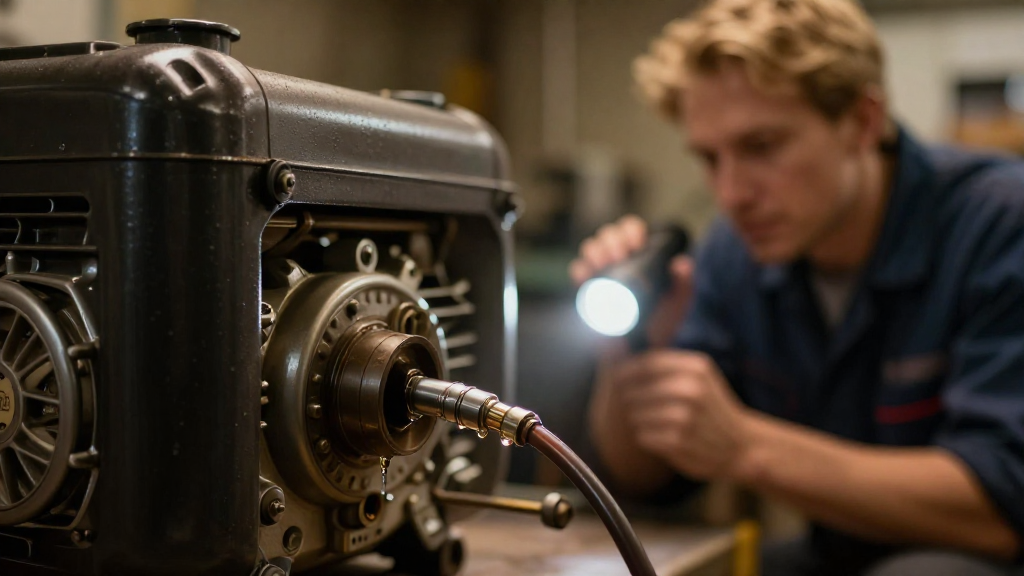
Generator fuel leak detection methods are crucial for ensuring the safe operation of generators.
These methods help identify leaks promptly, preventing potential hazards such as fire risks, environmental contamination, and equipment damage.
Why Are Generator Fuel Leak Detection Methods Important?
Detecting fuel leaks in generators is essential for several reasons:
-
Safety: Fuel leaks can lead to fires or explosions, posing a risk to personnel and property.
-
Environmental Protection: Fuel spills can contaminate soil and water sources, leading to significant ecological harm.
-
Cost Efficiency: Early detection of leaks can save money on repairs and replacement parts, ensuring the generator operates efficiently.
-
Regulatory Compliance: Many jurisdictions have strict regulations regarding fuel storage and handling; employing proper leak detection methods can help maintain compliance.
What Are the Common Generator Fuel Leak Detection Methods?
There are various generator fuel leak detection methods employed in the industry. Below are some of the most effective ones:
1. Visual Inspections
Visual inspections are fundamental in identifying fuel leaks. Every operator should regularly check their generator and look out for:
- Stains or puddles around the fuel tank
- Wet spots on hoses and connections
- Corrosion on fuel lines
By conducting routine inspections, operators can catch potential leaks before they escalate into serious issues.
2. Pressure Testing
Pressure testing involves pressurizing fuel systems and monitoring for drops in pressure. This method can help identify:
- Leaks in fuel lines
- Faulty connections
Operators should perform pressure tests according to the manufacturer’s specifications to ensure accurate results.
3. Ultrasonic Leak Detection
Ultrasonic leak detection is an advanced technique that uses high-frequency sound waves to identify leaks. This method has several advantages:
- Non-invasive: It does not require any disruption to the system.
- Precise: Capable of detecting even small leaks that might go unnoticed with visual inspections.
Ultrasonic detectors can pick up sounds emitted by escaping gas or liquid, providing accurate identification of leak locations.
4. Electronic Leak Detection Systems
Electronic leak detection systems use sensors to monitor fuel levels and detect deviations that indicate potential leaks. These systems can include:
- Capacitance sensors: Measure changes in a dielectric constant to detect the presence of fuel.
- Optical sensors: Identify fuel leakage through light refraction changes.
These systems provide real-time monitoring, sending alerts to operators when a leak is detected, thus facilitating quick response times.
5. Dye Testing
Dye testing is a simple but effective method for detecting diesel fuel leaks. The process involves adding a dye to the fuel and observing the system for:
- Discoloration in areas where the leak may occur
This method is beneficial as it can help pinpoint the exact location of the leak rapidly and accurately.
How Can Generator Operators Implement Fuel Leak Detection Methods?
Implementing effective generator fuel leak detection methods involves several steps:
-
Develop a Schedule: Establish regular inspection routines based on the manufacturer’s guidelines.
-
Train Personnel: Ensure that staff members are trained in identifying potential leaks and using available detection tools effectively.
-
Invest in Technology: Consider installing electronic leak detection systems for ongoing monitoring.
-
Document Findings: Keep a detailed log of inspections and tests to track the health of the generator over time.
What Are the Benefits of Regular Fuel Leak Detection?
Regularly employing generator fuel leak detection methods not only helps maintain safety but also delivers multiple other benefits, including:
-
Increased Fuel Efficiency: Preventing leaks ensures that all fuel consumed is used effectively, reducing overall fuel costs.
-
Prolonged Equipment Life: Early detection and repair of leaks can prevent more extensive damage, extending the lifespan of the generator.
-
Improved Environmental Compliance: Regular inspections can help maintain adherence to environmental regulations, reducing the risk of fines or penalties.
What Safety Measures Should Be Taken During Fuel Leak Detection?
When employing generator fuel leak detection methods, safety should always be a priority. Here are some safety measures to consider:
-
Always wear protective gear: Gloves, goggles, and masks to protect against hazardous materials.
-
Work in a well-ventilated area: To avoid inhaling potentially harmful fumes from fuel.
-
Have fire safety equipment handy: Keep fire extinguishers nearby in case of emergencies.
Conclusion
Generator fuel leak detection methods are vital for maintaining safe and efficient generator operation.
By employing methods like visual inspections, pressure testing, and advanced electronic systems, operators can quickly identify and address leaks.
This not only ensures safety and compliance but also enhances the overall performance and longevity of the generator.
Implementing these methods will lead to a safer work environment, protect the ecosystem, and ultimately result in cost savings for the organization.
Regular training and commitment to thorough inspections will enable generator operators to manage fuel leaks effectively, safeguarding both personnel and the environment.
Stay vigilant, utilize the right detection methods, and ensure the efficient operation of your generator.