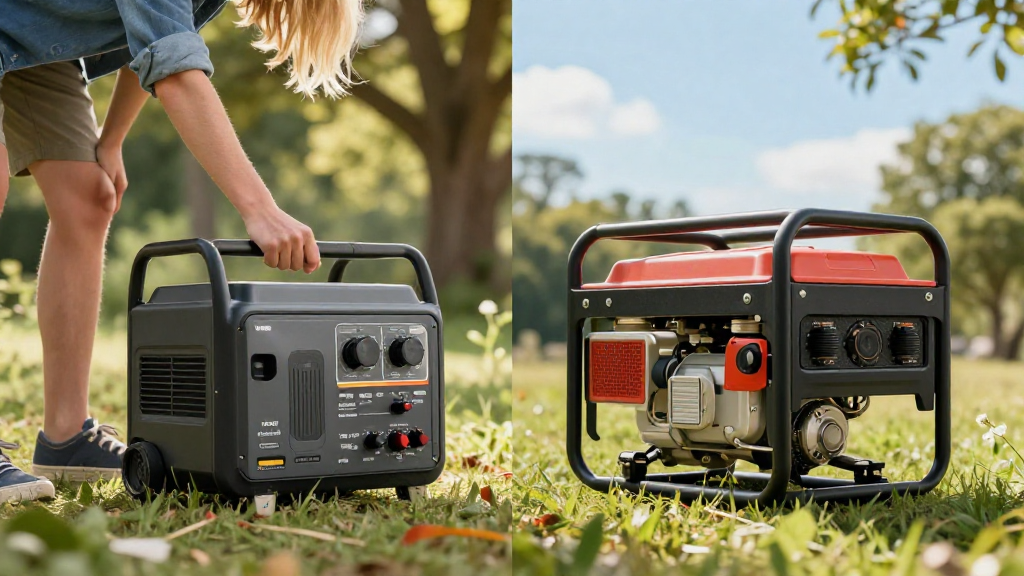
When it comes to choosing a generator, understanding the difference between inverter generator and conventional generator is crucial.
This article will explore their differences, helping you make an informed decision based on your power needs.
What Are Inverter Generators?
Inverter generators are a modern approach to power generation.
They convert raw power produced by the engine into usable electricity via an inverter.
This technology allows inverter generators to produce a clean, stable output suitable for sensitive electronics such as laptops, smartphones, and gaming consoles.
Key Features of Inverter Generators:
- Compact and Lightweight: Inverter generators are generally smaller, making them easier to transport.
- Quiet Operation: These generators often operate at lower decibel levels than conventional models, making them ideal for camping or residential use.
- Fuel Efficiency: Inverter generators automatically adjust their engine speed based on the power demand, resulting in better fuel efficiency.
- Clean Power Output: The alternating current produced is refined and stable, making it safe for sensitive devices.
- Parallel Capabilities: Many inverter generators can be linked together for higher wattage output.
What Are Conventional Generators?
Conventional generators, on the other hand, have been around for a longer time.
They typically use an engine to generate electricity directly through an alternator without the use of an inverter to refine the output.
While they are effective for many general applications, they come with their own set of features and drawbacks.
Key Features of Conventional Generators:
- Higher Power Output: Conventional generators usually deliver more wattage, making them suitable for heavy-duty applications.
- Rugged Build: They are often designed for durability and can handle harsh conditions, making them ideal for construction sites.
- Lower Cost: Conventional generators are generally more affordable than inverter models, both in initial purchase price and maintenance costs.
- Simplicity of Use: These generators are straightforward machines and do not require complex setups or connections.
- Limited Portability: Conventional generators can be bulky and heavy, which may not make them the best choice for on-the-go power needs.
What Is the Main Difference Between Inverter Generator and Conventional Generator?
The difference between inverter generator and conventional generator lies primarily in their output, efficiency, and intended use.
Here are some of the most significant points of divergence:
1. Power Quality
- Inverter Generator: Produces a stable sine wave, making it suitable for sensitive electronics.
- Conventional Generator: Generates a more fluctuating output, which may be harmful to delicate devices.
2. Fuel Efficiency
- Inverter Generator: Adjusts power output automatically, thus consuming less fuel.
- Conventional Generator: Operates at a constant speed regardless of the load, resulting in higher fuel consumption.
3. Noise Levels
- Inverter Generator: Generally operates at a quieter sound level, typically around 50-60 decibels.
- Conventional Generator: Often produces noise levels of 70 decibels or more, making them less suitable for noise-sensitive environments.
4. Size and Portability
- Inverter Generator: Smaller, lighter, and more portable, making them ideal for camping or tailgating.
- Conventional Generator: Heavier and bulkier, which can make transportation difficult.
5. Cost
- Inverter Generator: Typically comes with a higher price tag due to advanced technology.
- Conventional Generator: More budget-friendly, making them accessible for those who need power without breaking the bank.
Which One Should I Choose?
The choice between an inverter generator and a conventional generator largely depends on your specific needs and lifestyle.
When to Choose an Inverter Generator:
- For Recreational Use: Perfect for camping trips, RVs, and tailgating, where quiet and portable power is a must.
- For Sensitive Electronics: If you need to power laptops, medical devices, or home electronics, an inverter generator is the better choice.
- For Fuel Efficiency: Ideal for those looking to save money on fuel while enjoying variable power needs.
When to Choose a Conventional Generator:
- For Heavy-Duty Applications: If you’re powering construction tools or heavy equipment, a conventional generator will typically provide the required wattage.
- For More Affordable Options: If budget constraints are an issue, a conventional generator is often your best bet.
- For Emergency Home Backup: If you need a backup for your home during power outages and run larger appliances, a conventional generator may serve you better.
Are There Hybrid Generators?
Yes, hybrid generators combine the features of both inverter and conventional models.
These units can switch between modes depending on your power needs, making them versatile for various applications.
Here are some hybrid generator benefits:
– Versatile Usage: Allows you to switch between clean power for sensitive electronics and higher output for heavy-duty appliances.
– Fuel Efficiency: Many hybrid units offer improved fuel efficiency compared to conventional generators.
– Compact Size: Often designed to be portable, these generators can be an excellent choice for both leisure and emergency power.
Conclusion
Understanding the difference between inverter generator and conventional generator is essential for making an informed purchase.
Both types of generators have their own unique attributes that cater to different needs.
When considering your options, think about your specific requirements, including desired wattage, noise levels, portability, and budget constraints.
Whether you choose an inverter generator for its clean, quiet operation or a conventional generator for its simplicity and power, knowing the differences will help you select the best generator for your lifestyle.
Ultimately, your choice should align with how you plan to use the generator and the power demands of your devices.