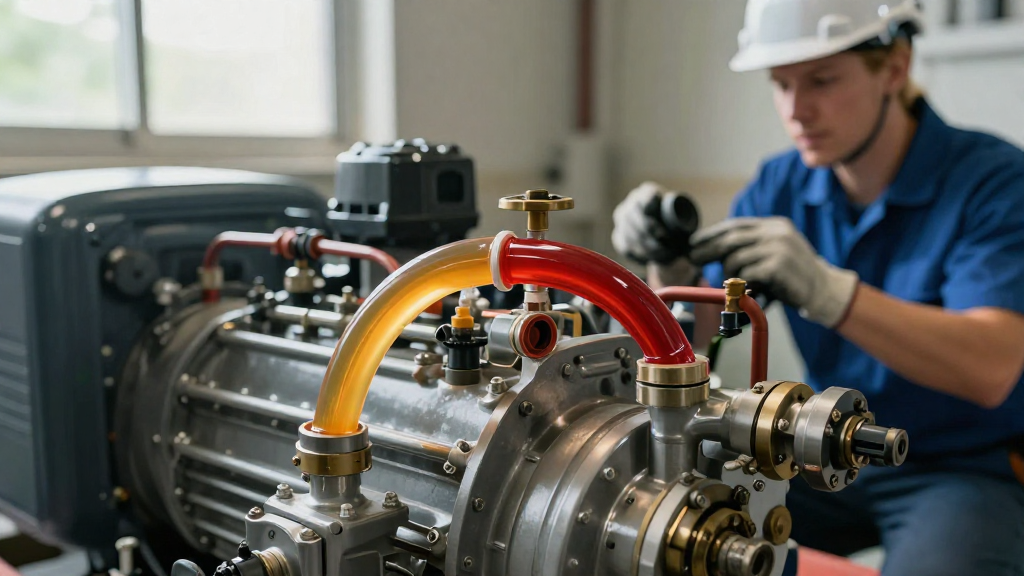
Understanding the generator coolant system is vital for ensuring optimal performance and longevity of generators. In this article, we will provide a thorough generator coolant system explanation to help you grasp its importance.
What Is the Purpose of a Generator Coolant System?
The primary role of a generator coolant system is to manage the engine temperature.
As with any engine, particularly internal combustion engines, generators produce heat during operation.
If the temperature exceeds safe limits, several issues can occur, including:
- Overheating: This can lead to engine failure.
- Reduced Efficiency: High temperatures can compromise performance.
- Increased Emissions: Excessive heat contributes to higher emissions levels.
A well-functioning generator coolant system ensures that the engine operates within a safe temperature range, thereby improving efficiency and enhancing durability.
What Components Make Up a Generator Coolant System?
A typical generator coolant system consists of several key components, each playing a crucial role in the overall function.
Here’s a breakdown of these essential elements:
-
Coolant:
– The fluid that circulates through the system, usually a mixture of water and antifreeze.
– Designed to absorb heat from the engine and dissipate it. -
Radiator:
– Responsible for cooling the heated coolant.
– Airflow through the radiator dissipates heat effectively. -
Water Pump:
– Circulates the coolant throughout the system.
– Maintains consistent fluid movement to ensure efficient heat transfer. -
Thermostat:
– Regulates the temperature by controlling the flow of coolant.
– Opens and closes to maintain optimal engine temperature. -
Hoses:
– Connect various components of the generator coolant system.
– Must be durable and resistant to heat and pressure. -
Expansion Tank:
– Allows for the expansion of coolant as it heats.
– Prevents overflow and maintains pressure within the system.
How Does the Generator Coolant System Work?
A generator coolant system operates by circulating coolant through the engine and other components to regulate its temperature.
Here’s a step-by-step explanation of the process:
-
Coolant Absorption: The engine generates heat as it runs. The coolant absorbs excess heat from the engine block and other hot components.
-
Cooling in the Radiator:
The heated coolant is pumped to the radiator, where it dissipates heat into the atmosphere. -
Temperature Regulation: The thermostat monitors the temperature of the coolant. If it exceeds a certain threshold, the thermostat opens, allowing more coolant to flow to the radiator.
-
Recirculation: After cooling, the coolant returns to the engine to absorb more heat, and the cycle continues.
-
Fluid Management: Expansion tanks manage coolant overflow and help maintain consistent pressure throughout the system.
By maintaining an optimal temperature, the generator coolant system plays a crucial role in preventing overheating and sustaining generator efficiency.
What Are Common Issues with Generator Coolant Systems?
Like any mechanical system, a generator coolant system can encounter various issues. Identifying these problems early can save time and money in repairs. Some common issues include:
- Coolant Leaks: Often caused by damaged hoses, fittings, or radiator components.
- Overheating: A failed water pump or clogged radiator can lead to overheating, threatening engine integrity.
- Thermostat Malfunctions: A stuck thermostat can prevent coolant from circulating properly.
- Contaminated Coolant: Dirt, rust, or debris in the coolant can impair efficiency and lead to corrosion.
Regular inspections and maintenance can help prevent these issues, ensuring the generator coolant system functions optimally.
How Can You Maintain Your Generator Coolant System?
Proper maintenance of the generator coolant system is crucial for longevity and efficient operation.
Here are some key maintenance tips:
- Regular Inspections: Check the coolant levels and condition periodically.
- Coolant Replacement: Change the coolant as recommended by the manufacturer, typically every 2-3 years.
- Hose and Fitting Checks: Inspect for signs of wear, cracks, or leaks. Replace as necessary.
- Radiator Maintenance: Clean the radiator fins and ensure there’s no debris blocking airflow.
- Thermostat Testing: Check the thermostat operation regularly.
- Monitor Temperature Gauges: Keep an eye on engine temperature during use to ensure optimal operation.
Implementing these maintenance practices can extend the life of your generator and improve its efficiency.
Why Is the Generator Coolant System Vital in Extreme Conditions?
Extreme temperatures, both hot and cold, can drastically affect the performance of a generator’s coolant system.
Here’s how:
Hot Conditions
- In hot environments, the risk of overheating increases.
- The generator coolant system may struggle to dissipate heat effectively.
- Regular checks of coolant levels and radiator efficiency are imperative.
Cold Conditions
- Cold weather can cause coolant to freeze if not mixed properly with antifreeze.
- Low temperatures may also thicken the coolant, reducing flow.
- Ensure adequate levels of antifreeze to prevent freezing and maintain fluid viscosity.
Conclusion
A well-maintained generator coolant system is essential for the reliability and efficiency of your generator.
With proper understanding and maintenance, you can ensure that your generator operates smoothly, regardless of the conditions.
From understanding its components to recognizing potential issues and performing regular inspections, knowing how to care for the generator coolant system will help you maximize performance and extend the life of your generator.
Keep your generator in top shape and you’ll be ready for any situation that comes your way!