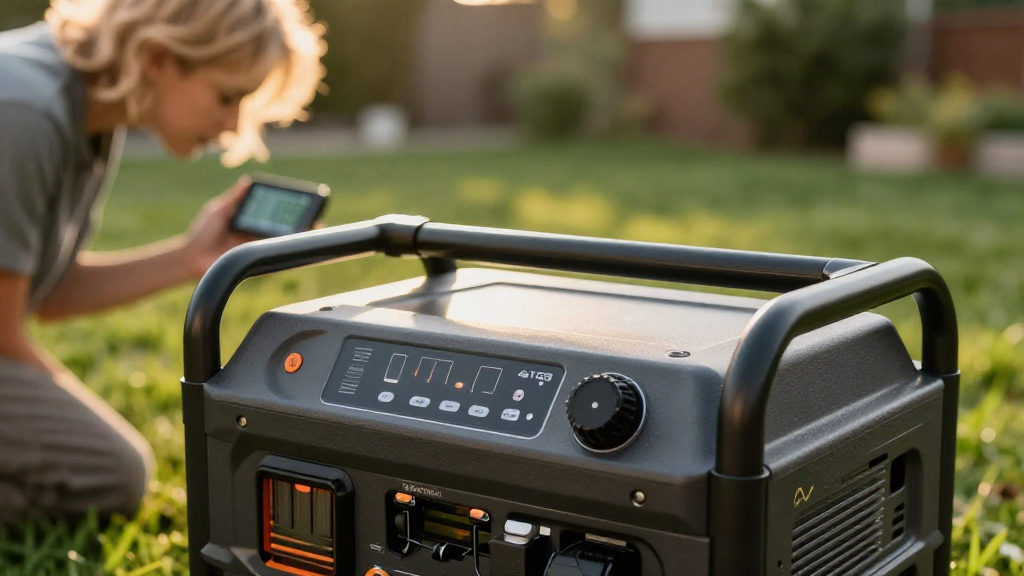
Estimating generator run time is crucial for ensuring your power needs are met efficiently and effectively.
In this article, we will explore the key factors involved in generator run time estimation, helping you make informed decisions about your generator use.
What Factors Influence Generator Run Time Estimation?
Understanding the factors that impact your generator’s run time is essential for accurate estimation. Here are the main factors to consider:
- Fuel Capacity: The amount of fuel in your generator directly affects its run time.
- Load Demand: The total power your appliances or devices require will affect how quickly your fuel is consumed.
- Generator Size: Larger generators often have greater fuel capacity and may provide longer run times.
- Efficiency Ratings: Generators vary in how efficiently they convert fuel into power, impacting their run time.
- Environmental Conditions: Temperature, altitude, and humidity can also play a role in how efficiently a generator operates.
By understanding these key factors, you can make a more accurate estimate for your generator’s run time.
How Can You Calculate Generator Run Time?
To estimate generator run time accurately, follow these simple steps:
-
Determine Your Load in Watts: First, calculate the total wattage of the appliances you plan to power.
– Use a watt meter if necessary.
– Consider starting vs. running wattage for devices that require more power initially (e.g., refrigerators). -
Identify the Generator’s Fuel Capacity: Know how much fuel your generator can hold.
– This may be listed in gallons or liters, depending on the manufacturer. -
Check the Fuel Consumption Rate: Consult your generator’s specifications to find its fuel consumption rate, usually given in gallons (or liters) per hour at a specified load.
-
Use the Formula: The formula to estimate generator run time is:
[
\text{Generator Run Time} = \frac{\text{Fuel Capacity}}{\text{Fuel Consumption Rate}}
]
For example, if you have a generator with a 5-gallon fuel tank and it consumes 1 gallon per hour at a certain load, its run time would be:
[
\text{Generator Run Time} = \frac{5 \text{ gallons}}{1 \text{ gallon/hour}} = 5 \text{ hours}
]
- Adjust for Load Variations: Remember that the run time will change with variations in load.
– If you operate your generator at a higher load than what you used in your initial calculations, expect shorter run times.
What Tools Are Available for Generator Run Time Estimation?
Several tools can aid you in generator run time estimation:
-
Online Calculators: Many websites offer online calculators where you can input your generator specifications and load requirements.
-
Mobile Apps: There are various apps designed to help users estimate generator run time based on model and load inputs.
-
User Manuals: Always refer to your generator’s user manual for specific information about fuel consumption rates and other relevant data.
Utilizing these tools can simplify your estimation process.
Why Is Accurate Generator Run Time Estimation Important?
Accurate estimation of generator run time is vital for several reasons:
-
Avoiding Power Outages: Knowing how long your generator can run prevents unexpected shutdowns during critical times.
-
Optimal Fuel Management: Understanding run time helps you plan your fuel purchases, ensuring you don’t run short when you need it most.
-
Fine-Tuning Your Load: If you find your generator doesn’t last as long as you expect, you may choose to reduce the load to enhance run times.
In short, accurate generator run time estimation enhances your preparedness and ensures smooth operations in emergencies.
How Can You Monitor Your Generator’s Performance?
Monitoring your generator’s performance is crucial for long-term reliability and proper run time estimation. Here are some strategies:
-
Regular Maintenance Checks: Schedule routine inspections to check fuel levels, oil levels, and any wear and tear that could affect performance.
-
Install Monitoring Equipment: Many generators can now be equipped with smart monitoring systems that provide real-time data on fuel levels, output, and consumption rates.
-
Log Usage: Keep a detailed log of your generator’s run times and fuel consumption. This data will be invaluable for future generator run time estimation.
By staying vigilant about your generator’s performance, you can adjust your estimations and ensure it functions effectively when you require power.
What are Some Common Mistakes in Generator Run Time Estimation?
Even seasoned users can make mistakes in estimating generator run time. Here are common pitfalls to avoid:
-
Ignoring Load Variations: Underestimating or overestimating changes in load can dramatically affect run time calculations.
-
Not Accounting for Fuel Quality: Poor fuel quality can lead to higher consumption or even damage to your generator’s components.
-
Neglecting Maintenance: Failing to maintain your generator can result in inefficient performance, affecting run time.
-
Relying Solely on Specifications: Always consider the real-world performance of your generator; specifications can only provide estimates.
Avoiding these mistakes will enhance your ability to perform accurate generator run time estimation.
Conclusion: Why Mastering Generator Run Time Estimation is Essential
In the ever-evolving world of electricity consumption and generator usage, mastering generator run time estimation is not just a technical skill—it’s a necessity.
By understanding the factors that influence run time, employing effective calculation methods, utilizing helpful tools, actively monitoring generator performance, and avoiding common mistakes, you are well-equipped to ensure your generator operates seamlessly whenever you need it.
With these tips in hand, you’re ready to confidently estimate and manage your generator run time for optimal performance.