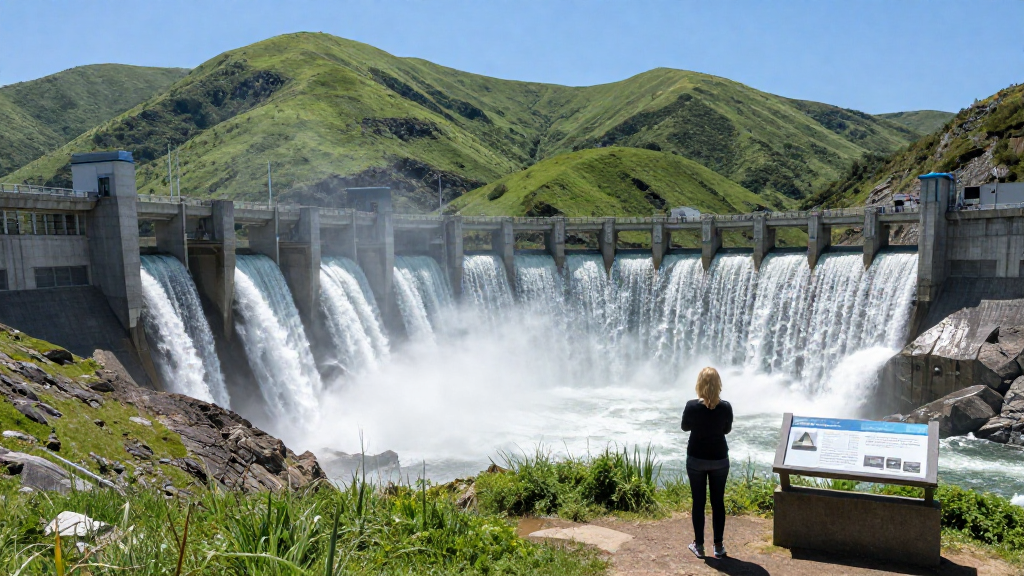
Understanding hydroelectric generator basics is crucial for anyone interested in renewable energy sources. This article will explore the principles, components, and advantages of hydroelectric generators to provide comprehensive knowledge about their workings and significance in the energy landscape.
What Is a Hydroelectric Generator?
A hydroelectric generator converts energy from flowing water into electrical energy.
Key components include:
– Water turbines
– Generators
– Transformers
– Control systems
Hydropower is one of the oldest and most efficient renewable energy methods. It utilizes natural water sources such as rivers or dams to generate electricity.
How Does a Hydroelectric Generator Work?
Understanding the workings of a hydroelectric generator involves recognizing its four main stages:
- Water Intake: Water is diverted from a river or reservoir to flow towards the turbine.
- Energy Conversion: The moving water spins the turbine, transforming kinetic energy into mechanical energy.
- Electricity Generation: As the turbine spins, it turns the generator, producing electrical energy.
- Distribution: The generated electricity is sent to the power grid through transformers.
Each of these stages illustrates the efficiency of hydroelectric generators in converting natural resources into usable power.
What Are the Types of Hydroelectric Generators?
There are various types of hydroelectric generators, and each serves specific needs based on water flow and energy output. The primary types include:
- Impoundment Hydropower:
These facilities use dams to store river water in a reservoir. The water released through turbines produces electricity. - Run-of-River Hydropower:
This approach utilizes the natural flow of rivers without the need for significant storage. It is less disruptive to ecosystems and better suited for areas with consistent water flow. - Pumped Storage Hydropower:
This system stores energy by transferring water between two reservoirs at different elevations. Water is released during peak demand to generate electricity, making it a vital tool for energy management.
Each type has its own set of advantages and challenges, reinforcing the importance of choosing the right technology based on geographical and environmental factors.
What Are the Advantages of Hydroelectric Generators?
Exploring the hydroelectric generator basics also necessitates understanding their benefits. Here are some compelling advantages:
- Renewable Energy Source:
Hydropower is sustainable as it relies on the water cycle, reducing dependence on fossil fuels. - Low Greenhouse Gas Emissions:
Hydroelectric generators emit minimal greenhouse gases compared to traditional energy sources, contributing to cleaner air and climate goals. - Reliable Energy Supply:
Unlike solar or wind energy, hydropower production is less dependent on weather conditions, leading to a more stable energy supply. - Economic Benefits:
Hydroelectric power plants can generate numerous jobs during construction and operation, significantly contributing to local economies. - Recreational and Water Resource Management:
Many hydroelectric facilities contribute to water management and provide opportunities for recreational activities such as boating and fishing.
These advantages highlight the significant role hydroelectric generators can play in the transition to sustainable energy.
What Are the Challenges of Using Hydroelectric Generators?
While exploring hydroelectric generator basics, it’s important to acknowledge potential challenges:
- Environmental Impact:
Dams can alter ecosystems, affect fish migration, and impact local wildlife. Maintaining ecological balance is essential. - High Initial Costs:
Building a hydroelectric facility often requires significant investment and extensive planning. - Dependence on Water Supply:
Changing water availability due to climate change can impact energy output, especially in drought-prone areas.
Addressing these challenges is crucial for the sustainable growth of hydroelectric energy.
How Do Hydroelectric Generators Compare to Other Renewable Energy Sources?
When comparing hydroelectric generators to other renewable sources, several aspects stand out:
- Wind Energy:
Wind turbines rely on wind speed, making their output less predictable compared to hydropower, which can provide consistent energy. - Solar Energy:
Solar power depends on sunlight and can vary throughout the day. Hydropower, however, can generate energy virtually around the clock if water flow is constant. - Geothermal Energy:
Geothermal plants require specific locations with geothermal heat but offer consistent power similar to hydroelectric systems.
Overall, hydroelectric generators provide a more stable energy source compared to other renewables, making them valuable in a balanced energy portfolio.
What Is the Future of Hydroelectric Generators?
As the world shifts toward renewable energy, the future of hydroelectric generators looks promising:
- Innovative Technologies:
Advances in turbine technology and equipment can enhance efficiency and minimize environmental impact. - Small-Scale Hydro Projects:
Smaller hydroelectric projects offer substantial benefits without the heightened ecological challenges of large dams. - Integration with Other Renewables:
Combining hydroelectric power with solar and wind can create a more reliable and resilient energy network.
The ongoing development in the hydroelectric sector demonstrates its adaptability and potential in addressing global energy challenges.
Conclusion
Understanding the hydroelectric generator basics equips you with insight into a vital aspect of renewable energy.
From the basic concept of converting flowing water into electricity to the various types, advantages, challenges, and future outlooks, the impact of hydroelectric power remains significant.
Hydroelectric generators will continue to play a crucial role in meeting our energy needs, reducing our carbon footprint, and integrating with the broader push towards sustainable solutions.
By gaining knowledge about hydroelectric technology, you align yourself with the global effort to foster a cleaner, more sustainable planet for future generations.